
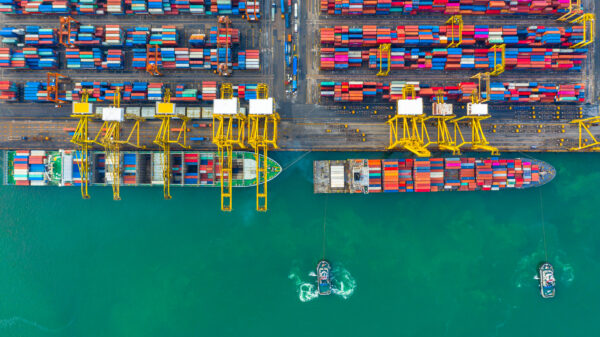
How Bonded Warehousing Helps Importers Control Costs and Inventory
Importers bringing goods into the United States can improve cash flow and gain greater financial flexibility by using a bonded warehouse to delay certain customs duty payments until merchandise is withdrawn for U.S. consumption. For importers, manufacturers, and distributors, bonded warehousing provides valuable advantages when managing inventory, coordinating shipping schedules, and controlling operating expenses. KE Warehouse & Trucking offers dependable storage and logistics solutions to help businesses streamline their import operations.
Importing products involves more than arranging transportation. Businesses must also consider customs requirements, storage space, inventory management, and the timing of payments. When large shipments arrive before products are needed, paying applicable import duties immediately can put additional pressure on working capital.
A customs-bonded warehouse provides an alternative. Instead of entering eligible imported merchandise into U.S. commerce immediately, businesses can store it under U.S. Customs and Border Protection (CBP) supervision while deciding their next steps.
K.E. Warehousing & Trucking (KEW) provides bonded warehousing and logistics services in Cincinnati, Ohio, helping businesses coordinate storage, inventory management, and transportation.
What Is a Bonded Warehouse, and How Does It Work?
A bonded warehouse is a facility authorized by U.S. Customs and Border Protection to store imported merchandise under specific customs regulations. Eligible goods can be stored without immediately paying the customs duties that would otherwise be due upon entry for consumption.

This arrangement can be especially useful for businesses importing merchandise in large quantities or holding inventory before distributing products to customers.
When imported merchandise arrives in the United States, it must follow the appropriate customs entry procedures. If the goods qualify for bonded warehouse entry, they may be transferred to an authorized facility and stored under customs supervision.
While merchandise remains in bonded storage, the importer must follow applicable inventory control, recordkeeping, handling, and withdrawal requirements.
When the business is ready to distribute the merchandise within the United States, the goods can be withdrawn for consumption through the required customs process. Applicable duties and taxes are generally addressed at that time.
Goods may also be exported directly from bonded storage under applicable procedures, potentially avoiding U.S. import duties on merchandise that never enters domestic commerce. Under federal regulations, merchandise can generally remain in a customs-bonded warehouse for up to five years from the date of importation, subject to applicable exceptions and requirements.
For companies importing products through international supply chains, this additional flexibility can be an important part of inventory and financial planning.
How Can a Bonded Warehouse Help Importers Manage Cash Flow?
One of the most important benefits of bonded warehousing is the opportunity to better manage when certain import duties must be paid.

For many importers, inventory represents a significant financial investment. Purchasing merchandise, arranging international shipping, paying freight charges, and coordinating domestic distribution can require substantial working capital. Adding immediate customs duty payments to those expenses can create additional financial pressure, particularly when products will remain in storage for several weeks or months.
Bonded warehousing allows qualifying businesses to postpone certain duty payments until merchandise is withdrawn for U.S. consumption. This can help businesses better align customs expenses with inventory movement and anticipated sales.
Consider a distributor importing a large shipment of products for customers throughout the Midwest. The entire shipment arrives at once, but customers will receive their orders over several months.
Without bonded storage, the importer may need to pay applicable duties when the merchandise is entered for consumption, even though much of the inventory will not be sold immediately.
With a bonded warehouse, the importer may be able to withdraw eligible merchandise in smaller quantities as needed, paying applicable duties as those withdrawals occur.
Potential Advantages Include:
- Improved cash flow: Delay certain customs duty payments until eligible merchandise is withdrawn for domestic consumption.
- Greater inventory flexibility: Store imported products until customers, production schedules, or distribution needs require them.
- Better financial planning: Coordinate inventory withdrawals with expected sales and operating expenses.
- Support for international distribution: Export qualifying merchandise from bonded storage under applicable procedures without paying U.S. import duties.
- Reduced pressure on warehouse space: Use a third-party facility rather than dedicating valuable company space to imported inventory.
- More coordinated logistics: Work with a warehouse provider that can also assist with inventory handling, storage, and transportation.
These advantages depend on the type of merchandise, customs classification, applicable regulations, and the business’s import strategy.
Bonded warehousing does not eliminate every import expense. Storage fees, transportation costs, customs brokerage services, and other charges may still apply. Importers should work with a qualified customs broker to determine the appropriate procedures for their shipments.
REQUEST A WAREHOUSING OR LOGISTICS QUOTE
Which Businesses Benefit Most From Bonded Warehousing?
Bonded warehousing can be valuable for many businesses, but it is especially useful for companies that import products before they are ready for domestic distribution.
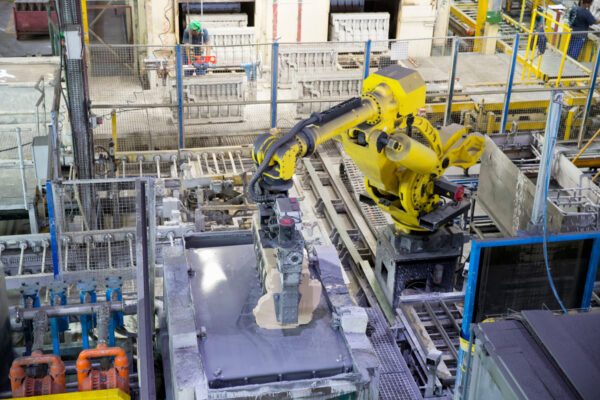
Manufacturers may import components, raw materials, or finished goods that are not immediately needed for production. Bonded storage can provide a way to hold qualifying merchandise while coordinating manufacturing schedules and inventory requirements.
Wholesale distributors often purchase merchandise in large quantities to obtain favorable pricing or maintain reliable inventory levels. When products arrive before customer demand requires them, bonded warehousing can help reduce the need to pay all applicable duties at once.
International importers may use bonded facilities to store merchandise while determining whether products will be distributed within the United States or shipped to another country.
Businesses with seasonal inventory may import products months before peak selling periods. Storing eligible merchandise in a bonded warehouse can help coordinate inventory availability with seasonal demand.
Companies expanding into U.S. markets may also benefit from working with an established warehouse provider rather than immediately investing in their own storage and distribution infrastructure.
The right solution depends on the company’s inventory, shipping volume, customs obligations, and distribution requirements.
For businesses serving customers throughout Ohio, Kentucky, Indiana, and the surrounding Midwest, Cincinnati offers a practical location for coordinating warehouse storage and regional transportation. A Cincinnati bonded warehouse can provide access to major interstate transportation routes while keeping inventory positioned for distribution to nearby manufacturing and commercial markets.
Choosing a warehouse provider that understands both storage and transportation can also simplify communication between the people managing inventory and those coordinating outgoing shipments.
Why Choose K.E. Warehousing & Trucking for Bonded Warehouse Services in Cincinnati?
K.E. Warehousing & Trucking has provided warehousing and transportation services in Cincinnati since 1988. The company works with businesses that need dependable inventory storage, distribution support, and logistics solutions.

Located at 3710 Jonlen Drive in Cincinnati, Ohio, KEW provides bonded warehouse services along with traditional warehousing, trucking, cross-docking, container unloading, palletizing, and other third-party logistics services. KE Warehouse Bonded Firms Code: H0Y8
This combination of services can be valuable for importers that need more than a place to store merchandise.
For example, a business may need assistance receiving a shipment, organizing pallets, tracking stored inventory, and coordinating transportation when products are ready for distribution.
Working with one logistics provider for several of these activities can reduce the number of separate vendors involved in moving merchandise through the supply chain.
KEW also uses warehouse management technology to support inventory tracking and warehouse operations. Accurate inventory records are especially important when managing merchandise subject to customs requirements.
For importers evaluating a bonded warehouse, it is important to discuss the merchandise involved, anticipated storage periods, handling requirements, and the customs procedures that will apply. A qualified customs broker can help determine whether bonded warehousing is appropriate for the products being imported and how customs entry and withdrawal requirements should be handled.
Frequently Asked Questions About Bonded Warehouses
Need Bonded Warehouse Services in Cincinnati, Ohio?
Managing imported inventory requires the right combination of storage, transportation, inventory control, and financial planning. K.E. Warehousing & Trucking can help your business explore bonded warehousing and logistics solutions that support your inventory and distribution needs. Contact KEW to discuss your merchandise, storage requirements, and transportation needs.
Call 513-272-3222 or visit kewarehouse.com to learn more about Cincinnati bonded warehousing and logistics services.
