

Storing Your Imported Products:
Many types of imported products can be stored in a bonded warehouse, including manufacturing materials, retail inventory, industrial products, electronics, machinery, components, and packaged goods.
For companies importing products into the United States, a customs bonded warehouse can provide a secure location to hold eligible merchandise under U.S. Customs control before the goods are entered into U.S. commerce, exported, or otherwise properly withdrawn.
Common Products Stored in a Customs Bonded Warehouse
The imported products stored in a bonded warehouse can vary considerably depending on the importer and industry. For manufacturers, distributors, wholesalers, and other commercial businesses, bonded storage may be used for products such as:
The eligibility and requirements for a particular shipment depend on the merchandise, its import status, and applicable U.S. Customs and Border Protection regulations.
REQUEST A WAREHOUSING OR LOGISTICS QUOTE
Why Store Imported Products in a Bonded Warehouse?
One of the primary benefits of a customs bonded warehouse is flexibility.
Imagine a Cincinnati manufacturer importing a large shipment of components. The entire shipment arrives at once, but the manufacturer may only need a portion of those components immediately. Placing eligible merchandise in bonded storage allows the company to keep the inventory secure until it is ready for the next step in the supply chain. This can be particularly helpful for companies that import large quantities, experience seasonal fluctuations, have limited storage capacity, or don’t need an entire shipment immediately.
Bonded Storage for Manufacturing Materials and Components
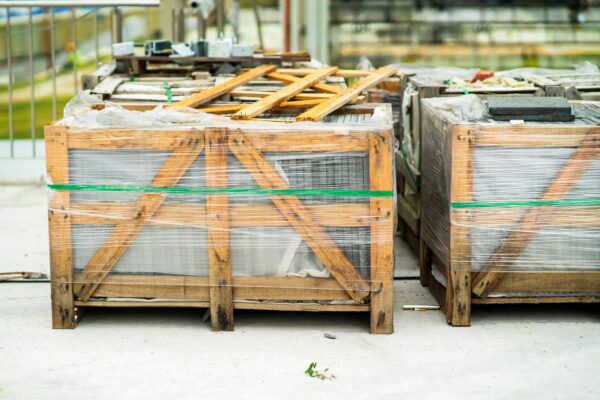
Manufacturers can quickly run into a space problem when imported materials arrive faster than they are consumed. Pallets of components, replacement parts, materials, and finished products can begin occupying valuable production space.
A bonded warehouse can provide eligible imported inventory with a dedicated storage location outside the manufacturing facility.
As inventory is properly withdrawn and becomes available for domestic use, it can then move to the manufacturer’s facility based on production requirements.
Your manufacturing floor should be used for making products—not unnecessarily storing months of inventory.
Bonded Storage for Retail and Distribution Inventory
Retailers, wholesalers, and distributors can also benefit from bonded warehouse space.
Imported products don’t always arrive at the same time they’re needed by customers. Companies may purchase inventory in larger quantities to accommodate supplier requirements, international shipping schedules, seasonal demand, or expected future sales.
Bonded storage can become part of a broader inventory strategy, providing a place for eligible merchandise while the company determines when and where the inventory needs to move.
Can Seasonal Products Be Stored in a Bonded Warehouse?
Eligible seasonal merchandise may be stored in a bonded warehouse when applicable Customs requirements are met. This can be particularly useful when imported products arrive months before their primary selling season.
Instead of filling your company’s existing warehouse or distribution space with inventory that won’t be needed immediately, bonded storage can provide additional flexibility.
Are There Products That Cannot Be Stored in a Bonded Warehouse?
Yes. Not every product or shipment is automatically eligible for bonded storage. Certain merchandise may be prohibited or subject to additional restrictions, permits, agency requirements, handling standards, or storage regulations. Requirements can also vary based on the type of merchandise and how it entered the United States.
Importers should work with their customs broker, trade professional, U.S. Customs and Border Protection, and other appropriate regulatory agencies to determine the specific requirements for their merchandise.
What Happens When Products Are Ready to Leave Bonded Storage?
When inventory is needed, the appropriate Customs procedures must be completed before merchandise is withdrawn from bonded storage.

What happens next depends on the intended destination and status of the merchandise. Products may ultimately enter U.S. commerce, move through another authorized process, or be exported, depending on the circumstances.
Once properly released for domestic movement, inventory may need to travel to a manufacturing plant, distributor, retailer, fulfillment center, customer, or another authorized destination. That’s where working with a warehouse that also understands transportation and distribution can be valuable.
Cincinnati Customs Bonded Warehouse
KE Warehouse provides customs bonded warehouse services in Cincinnati, Ohio, giving importers, manufacturers, and distributors another option for managing eligible imported inventory. KEW’s warehousing capabilities go beyond providing space. Depending on the requirements of the inventory and applicable regulations, our team can assist with receiving, storage, inventory management, container unloading, staging, and transportation.
Our Cincinnati location also provides convenient access to businesses throughout Greater Cincinnati, Northern Kentucky, Southwest Ohio, Indiana, and the surrounding Midwest.
Need Space for Imported Products?
If your company imports manufacturing materials, machinery, industrial products, retail merchandise, components, or other commercial goods, KE Warehouse can help you determine whether our customs bonded warehouse is a good fit for your storage requirements.
Talk with KE Warehouse about your imported inventory, storage requirements, and distribution needs.
