
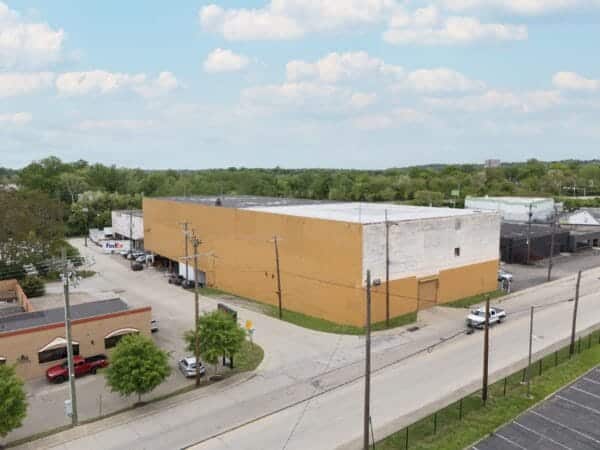
If your Cincinnati-area business is starting to feel a little crowded, you are not alone.
KE Warehouse & Trucking helps Greater Cincinnati businesses solve storage, warehousing and transportation challenges. Whether you need short-term overflow storage, long-term warehousing, cross-docking, fulfillment or regional trucking, our team can create a solution that fits your operation.
Demand for industrial and warehouse space across Greater Cincinnati has picked up in 2026. According to Colliers, the region’s overall industrial vacancy rate fell to 4.5% during the second quarter of 2026, dropping below 5% as businesses continued to absorb available space. (Colliers)
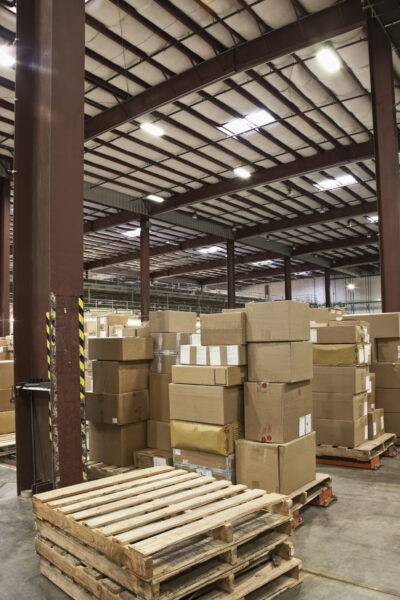
CBRE also reported strong activity during the second quarter, with approximately 7.4 million square feet of industrial leasing activity and 2.7 million square feet of positive net absorption. (CBRE)
For manufacturers, distributors and other local businesses, those numbers matter. When available warehouse space gets tighter, finding the right place to store inventory can become more difficult — and potentially more expensive.
Fortunately, leasing or purchasing another building is not the only solution.
Why Is Cincinnati Warehouse Space in Demand?
Greater Cincinnati has long been an attractive location for manufacturing, warehousing and distribution. Its central location makes it easy for companies to move products throughout Ohio, Kentucky, Indiana and the rest of the Midwest.
In 2026, demand has strengthened even further.
Industrial properties across the region are seeing healthy leasing activity, while asking rental rates have also been rising. The Cincinnati Business Courier reported that average asking rates reached about $6.51 per square foot in the second quarter, up 9.6% from the previous year. (The Business Journals)
The trend is not limited to Cincinnati. Nationwide, warehouse construction has begun increasing again as retailers, manufacturers and logistics companies look for more industrial space. More than 305 million square feet of warehouse space was under construction across the U.S. during the second quarter of 2026. (The Wall Street Journal)
For local businesses, the takeaway is simple: warehouse space remains an important part of the supply chain.
What Happens When Your Business Runs Out of Space?
Growing inventory is usually a good problem to have. It can mean sales are increasing, production is expanding or your company is preparing for future demand.
But it can quickly create operational problems.
Boxes may start filling production areas. Finished products can take over valuable floor space. Incoming shipments become harder to organize. Employees may spend more time moving inventory around rather than doing the work that actually grows the business.
At that point, many owners begin considering a larger building.
But moving, purchasing or leasing additional warehouse space can mean taking on a major long-term commitment.
There may be additional rent, utilities, insurance, equipment, employees, forklifts, security systems and maintenance costs to consider.
For businesses that simply need additional storage, there may be a much easier option.
Public Warehousing Provides Flexible Space
Working with a public warehouse allows businesses to increase their storage capacity without operating another facility themselves.
Instead of committing to an entire building, businesses can use warehouse space based on their current inventory needs.
This can be especially helpful for companies dealing with:
- Seasonal inventory increases
- Business growth
- Large incoming shipments
- Overflow inventory
- Raw materials
- Finished products
- Short-term storage needs
- Changing customer demand
The goal is flexibility.
When inventory increases, additional space is available. When inventory levels decrease, the business isn’t necessarily left paying for an oversized facility it no longer needs.

Warehousing Can Be About More Than Storage
Modern warehouse partners can also help businesses manage what happens to inventory after it arrives.
Services such as cross-docking, fulfillment, kitting, restacking, container unloading and regional transportation can reduce the amount of handling businesses need to perform internally.
For example, a manufacturer may receive a large shipment but lack room to store everything at its own facility. Rather than allowing pallets to take over valuable production space, the inventory can be stored off-site and delivered as it is needed.
That keeps the manufacturer’s building focused on manufacturing.
Plan for Warehouse Space Before It Becomes an Emergency
With Cincinnati industrial vacancy tightening, businesses should think about storage capacity before they completely run out of room.
Waiting until inventory is stacked in hallways or production areas can limit your options and create unnecessary stress.
A flexible warehouse partner can give your business room to grow without immediately committing to another building.
Need More Warehouse Space in Cincinnati?
KE Warehouse & Trucking helps Greater Cincinnati businesses solve storage, warehousing and transportation challenges. Whether you need short-term overflow storage, long-term warehousing, cross-docking, fulfillment or regional trucking, our team can create a solution that fits your operation.
If your warehouse, production floor or back room is getting crowded, don’t wait until space becomes a bigger problem.
Contact KE Warehouse & Trucking today to learn how flexible Cincinnati warehouse space can help your business keep moving forward.
